





Opening Your Account Without Rushing The First Step
A new platform feels easier when the first login is treated as setup, not action. Many players want quick access to games or sports, but the better result usually comes from spending a few extra minutes on the profile, the cashier path, and the control tools. In 2026, speed is normal, and that is exactly why people make preventable mistakes.
Imagine signing up late after work. You want a short session, so you move fast and only later notice a typo in the email or an unfinished profile field. A calmer start saves time later and makes the whole account feel less chaotic.
Canadian players usually judge the opening experience by three things: how clear the form is, how easy it is to find payments, and whether account controls are visible before any money moves. This overview is written for users in Canada who access the platform within applicable local rules and age requirements. If those parts feel simple, the platform already feels more usable.
Preparing Your Details Before You Create The Profile
Before registering, keep your personal details consistent and think about the payment route you are most likely to use. That sounds basic, but it prevents mismatches that later slow down account checks or payout requests. Usually, players want to jump straight to the lobby, yet a clean form is what makes everything after it easier.
Picture someone creating an account on a phone while commuting home. Messages pop up, attention is split, and one small typo slips through. Taking a quiet minute to review the form is often the difference between a smooth start and an annoying support conversation.
Setting Limits Before The Session Starts To Feel Emotional
A platform is easier to trust when spending controls are easy to find. Deposit caps, session reminders, cooling-off periods, and self-exclusion tools are practical switches, not background decoration. The best time to use them is before the first payment, not after a long session.
Imagine planning to spend only a small amount on a Friday night. At the start, that seems obvious. Two hours later, after a busy run of games or live markets, the plan may feel less solid. A pre-set limit turns intention into structure.
How To Read Promotions Without Chasing Headlines
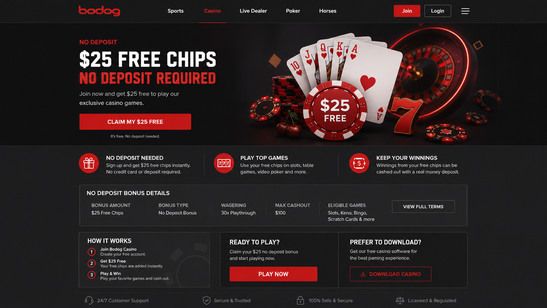
Most players check the offers page almost immediately, and that makes sense. Promotions are presented early, so they shape the first impression. The problem is that many users read only the large number or bright label and ignore the practical details underneath. Real value rarely comes from the headline alone.
A more useful approach is to ask simple questions. What activates the offer? Does it fit your budget? Does it match the way you actually play? If you prefer shorter visits with tighter control, a reward designed for extended sessions may not help much, even if it looks attractive at first.
Imagine opening the account on a Saturday afternoon and seeing several banners at once. Usually, the best move is to do less, not more. Read the conditions, compare the steps, and decide whether the offer supports your routine instead of pushing you into a larger spend.
Comparing Terms With Your Actual Playing Style
An offer only works when it fits the habits you already have. Some players lean toward slots, others toward tables, and many split time between sports and casino. If the terms do not fit that pattern, the incentive becomes more distracting than useful.
Imagine you only want a measured evening session with a fixed budget. In that case, a complicated reward with several activation steps may add pressure instead of value. For someone planning a longer weekend session, the same setup may feel perfectly fine. Fit matters more than hype.
Moving Between Sports, Casino, And Account Tools
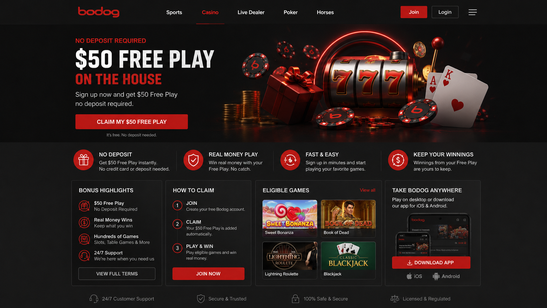
A mixed platform should make switching between sections feel natural. One of the biggest tests is whether you can move from sports to casino, back to account history, and then into the cashier without opening endless menus. When the layout is clean, the session feels light. When it is cluttered, even simple actions become tiring.
Canadian players often want variety in one place. They may check a few markets, try a slot, review the balance, and return to a live event. Imagine doing that on a phone while waiting for food. The platform does not need dramatic design in that moment - it needs clear labels, useful search, and quick return paths.
Small tools matter here more than people expect. Search, favorites, and recent activity views reduce repeated effort. Over time, that convenience shapes trust more than a flashy homepage.
Using Bodog Minimum Deposit As A Budget Check
The entry amount at the cashier should not be treated like a barrier to clear as fast as possible. It works better as a budget checkpoint. Before sending money, ask whether the first payment matches the session you actually want, not the mood you are in at that moment. That pause keeps the account grounded.
Imagine you have just finished registration and feel ready to start. The cashier opens, you see familiar methods, and it becomes tempting to fund the account quickly. Usually, the better move is to think of the first transfer as a test run. You are checking the payment flow, the account layout, and your own comfort level all at once.
Players who use the cashier this way often make steadier decisions. The first payment does not need to prove anything. It only needs to support a controlled first session and leave room for review afterward.
Practical goal | What to check first | Why it helps |
|---|---|---|
Start calmly | Entry amount at the cashier | Keeps the first session manageable |
Avoid surprises | Method availability in your region | Reduces friction at checkout |
Stay organized | Transaction history and balance view | Makes money flow easier to follow |
Prepare ahead | Verification prompts in profile settings | Lowers the chance of payout delays |
Keep control | Limit tools near the cashier | Supports routine budgeting |
Picking A Payment Method You Already Understand
Familiarity matters. A method you already use and track in your normal finances is often better than chasing what looks fastest on the screen. Usually, players feel more confident when the payment appears in a place they recognize and can review later without effort.
Imagine making your first transfer on a crowded evening with messages coming in and a match about to begin. In that situation, using a familiar option reduces errors and keeps the process calmer.
Testing The Cashier Flow Before Increasing Your Spend
A first payment can reveal a lot. Was the process clear? Did the balance update smoothly? Could you find transaction history without searching through several pages? These details sound small, but they define whether the platform feels practical in real use.
Picture a player who starts with a controlled amount, explores a few sections, and then checks the account menu afterward. That person learns more from one measured session than from a larger, rushed transfer.
Knowing When To Pause Instead Of Funding Immediately
Sometimes the best move is to wait. If the account still needs review, if the payment methods are not clear, or if you are signing up while distracted, there is no reason to force the first transfer. A short pause is part of good account management.
Imagine finishing registration during a noisy commute and feeling unsure whether you read the cashier screen properly. That is a good moment to stop and come back later from a calmer place.
Mobile Play During Short Everyday Sessions
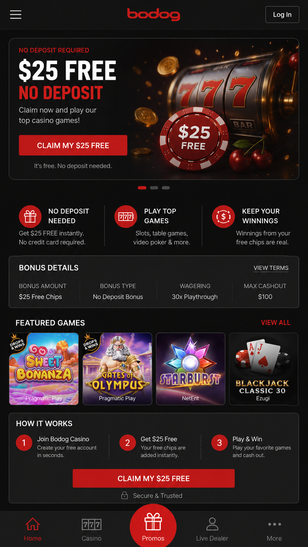
For many users in 2026, mobile is not a backup - it is the main way they use the platform. They check balances in the morning, browse sports during lunch, and return to casino play later from the same phone. Because of that, the mobile experience needs to feel complete, not compressed.
A good mobile session starts with readable menus and obvious account buttons. You should be able to find the cashier, history, and support without hunting for them. Imagine standing in line at a store and wanting to review your balance or a recent wager. That moment reveals very quickly whether the design is genuinely practical.
The best mobile layouts also respect interrupted attention. You may switch apps, answer a message, lock the phone, and return a minute later. If the platform handles that smoothly, it earns trust in a very everyday way.
When A Browser Session Feels Better Than An App
A dedicated app is not always necessary. Many players are perfectly comfortable using a mobile browser if the layout is stable and the main tools remain easy to reach. The advantage is consistency - the account often looks familiar across devices, and there is less friction between phone and desktop use.
Imagine checking your account on a laptop at home and then continuing from your phone outside. If the mobile browser version keeps the same logic, the transition feels almost invisible.
Contacting Support Without Turning A Small Issue Into A Big One
Support matters most when something small goes wrong at the wrong time. Maybe a profile detail looks incomplete, a transaction takes longer than expected, or you cannot tell whether a request went through. In those moments, the path to help should be obvious.
Imagine trying to resolve a payment question while a live event is already running. Sending several vague messages usually slows things down. One clear note with the exact issue and the relevant action tends to work better.
Withdrawals, Verification, And Keeping The Account Manageable
The real quality of a platform often becomes clear when money needs to move out, not in. Withdrawals test whether the profile information is consistent, whether the selected method makes sense, and whether the user understands the account process well enough to avoid preventable delays.
Verification belongs in that same picture. Many players postpone it because they want immediate access to play, but leaving everything for later creates friction at the worst moment. Imagine finishing a controlled week of sessions, deciding to cash out, and then noticing the account still needs profile confirmation. That kind of delay usually could have been avoided earlier.
The practical approach is simple: keep your details consistent, review profile settings early, and learn where transaction history is displayed before any issue appears. It also helps to treat account history as a routine check, not an emergency tool. Players who do that generally feel more in control because they understand the account before stress enters the picture.
A well-managed account is not only about payments. It is also about knowing when to pause, tighten limits, or step away entirely. The strongest routine is not constant activity - it is controlled activity.