





Why Phone-First Play Matters In Canada In 2026
In 2026, many players do not plan a full desktop session anymore. They open the platform between other tasks - during a break, on the train, or while relaxing for twenty quiet minutes at home. That makes the phone experience more important than the old idea of sitting down for a long evening at a computer.
Imagine a normal weekday. You have limited time, so you want to sign in, check the cashier, open one category, and move on. A good mobile setup helps you do exactly that. It keeps menus clear, puts account tools close to the lobby, and makes each tap feel predictable instead of messy.
For adults of legal age in Canada, this matters because short sessions often work better when the platform respects time. Access always depends on local rules, account checks, and personal eligibility. You should not need five screens to review basic account details, and you should not feel lost when switching from casino content to cards or back to the cashier.
What The First Session Usually Looks Like
The first session is simple. Most people sign in or register, look at the balance area, and test how quickly they can reach the games they want. If those first actions feel smooth, confidence grows. If not, the user starts doubting the entire platform.
Picture someone opening the service after dinner. They do not want a tour. They want to know whether the text is readable, whether the account button is obvious, and whether the next step makes sense without guessing. That first impression decides a lot.
Getting Started With Bodog Canada App
A smart start on mobile is not just about opening an account quickly. It is about setting up the account in the right order. Create the profile, confirm your details carefully, review the cashier, and only then think about a first deposit. Players who follow that sequence usually avoid more friction later.
Imagine a new user on a Saturday afternoon. They are interested, but still cautious. Usually they decide within a few minutes whether the process feels trustworthy. Clean forms, clear prompts, and visible account settings do more to build comfort than any promotional headline.
Phone users also make more mistakes when they rush. It is easy to type the wrong email, skip a notification setting, or close a screen too early. Slow down for two minutes. Use an address you actually check, confirm your details, and make sure the device is secured before you store login access on it.
How Setup Feels On A Busy Day
Real people rarely finish registration in a perfect quiet room. Maybe you are answering messages, maybe you are in a cafe, maybe work interrupts you halfway through. A good mobile flow should still feel manageable. Usually the best approach is to complete one task fully before jumping to the next.
If you stop mid-process and return later, the experience should still feel clear. That matters because convenience is one of the main reasons people choose phone play in the first place.
What To Check Before Your First Deposit
Before adding funds, look at the whole money path, not just the first step. Check which methods appear in the cashier, whether extra confirmation may be needed, and how easy it is to find withdrawal details from the same area. That gives you a more realistic picture of day-to-day use.
Picture a player who sees a familiar payment option and taps it immediately. It feels fast, but speed is not always the same as convenience. A short pause to review method notes, account matching, and transaction visibility can save a lot of confusion later.
Funding, Withdrawals, And Session Pace On Mobile
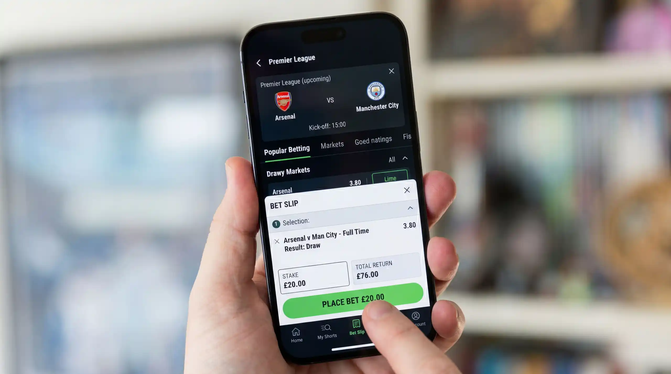
The cashier is where a mobile platform proves whether it is practical. You should be able to understand where money enters the account, where it leaves, and how to review the record afterward. On a strong layout, those steps do not feel hidden or separate from the rest of the account. They feel like part of the same flow.
Imagine making a deposit shortly before a game session, then wanting to confirm it the next day. If transaction history is clear, trust stays high. If it is buried under too many taps, frustration starts fast. Mobile users rely on visibility because they often close screens quickly and return later.
Some adults in Canada also prefer different methods for different reasons - one for convenience, one for budgeting, one simply because it is familiar. That is why the best cashier experience is not just fast. It is readable.
Feature | Why It Matters On Phone | What Players Usually Check |
|---|---|---|
Method Choice | Matches convenience with control | Availability, familiarity, confirmation steps |
Cashout Visibility | Reduces uncertainty after play | Pending status, history, confirmation screen |
Transaction Log | Helps with follow-up | Date, amount, type of movement |
Account Tools | Supports safer budgeting | Limits, recent activity, pauses |
Support Path | Useful when something feels unclear | Contact option near the cashier |
One habit helps more than people think: read the final confirmation screen before closing it. Usually that small pause gives you the exact detail you would later try to remember from memory.
Keeping Control Of Time, Budget, And Access
A good platform should make stopping as easy as starting. On mobile, that matters even more because phone use can become repetitive without feeling serious. A person tells themselves they are just checking one thing, then thirty minutes disappear.
Imagine opening the platform before bed for a quick look. One tap becomes another, and the original plan is gone. Deposit limits, session reminders, time-outs, and self-exclusion tools exist for this exact reason. They turn impulse back into a clear decision.
Bodog should be approached as planned entertainment, not background scrolling. Adults who decide in advance how long they will stay and how much they are comfortable spending usually finish with fewer regrets. The tools help, but the habit still has to come from the player.
Security belongs here too. Phones are personal, but they are also easier to lose, lend, or leave unlocked. Use device security, keep your password strong, and avoid storing sensitive details where other people can reach them.
When A Quick Break Helps More Than A Promise
Many players tell themselves they will stop after one more round. Often they do not. A short built-in pause works better than a promise because it removes the choice from an emotional moment.
Picture a session that is starting to feel frustrating. Instead of trying to outthink the mood, step away with a formal break and come back later. That is usually the cleaner decision.
Why Verification Feels Different On A Small Screen
Account checks can feel more annoying on a phone because the keyboard is smaller and document handling takes extra effort. Still, those steps protect the account and often make future money movement smoother. The problem is usually not the review itself. It is trying to do it too fast.
Imagine taking a document photo in weak light while notifications keep appearing. The image turns blurry, the upload fails, and the whole process feels worse than it is. Better to wait for good light, finish the task in one calm session, and double-check the details once.
Using Bodog Mobile Poker On Smaller Screens
Card play on a phone is not just a smaller desktop session. The screen changes pace, comfort, and attention. You need buttons that are easy to read, a table view that does not feel cramped, and a path back to the lobby that makes sense after a short session.
Imagine waiting for a friend and opening a few hands to fill the time. You are not trying to build a marathon session. You want a clear table, obvious actions, and a way to leave without confusion. When that works, mobile card play feels practical.
The rhythm also changes. Phone users often prefer shorter, tighter sessions. That can actually improve discipline because there is less temptation to wander endlessly through menus and tables. The smaller screen pushes many players toward more intentional decisions.
Long sessions, though, can become tiring faster than expected. Hands tense up, eyes work harder, and taps become less precise. For that reason, many adults treat phone card play as a compact option rather than the place for their longest sessions.
How Table Decisions Change On Touch Devices
Touch control can speed up decisions in ways players do not always notice. Buttons feel immediate, so it is easier to act before thinking one last time. A common example is moving too quickly simply because the thumb is already in position.
Usually the best fix is simple: slow your taps, reduce distractions, and hold the device comfortably. Close chat apps, lower background noise, and give yourself a second to confirm each action. Small changes like that make a big difference on touch screens.
Support, Updates, And Long-Term Mobile Habits
Support feels invisible until the moment you need it. Then it becomes one of the most important parts of the mobile experience. If a cashier step looks odd or account history seems unclear, players want help from the same flow, not from a separate maze.
Picture a user late in the evening who notices something unexpected in the account area. They are not panicking, but they do want a clear answer before the next session. In that moment, an easy contact path matters more than design polish.
Updates matter too. Over time, small changes can improve speed, navigation, and general stability. In 2026, mobile users notice quickly when a platform keeps pace with how they actually use their phones and when it does not.
The best long-term habit is simple: open the platform for a reason, complete that action, and leave. Maybe you want to check results, make a deposit, or play for a short planned window. That kind of discipline usually creates a better experience than endless casual checking.