





What New Players Notice First On The Platform
For many people in Canada, the first impression is not the lobby itself but the path that gets them there. Menus need to be clear, the account area needs to be visible, and the route from registration to the first session should not feel confusing. In 2026, users expect fewer clicks, clearer prompts, and less guesswork.
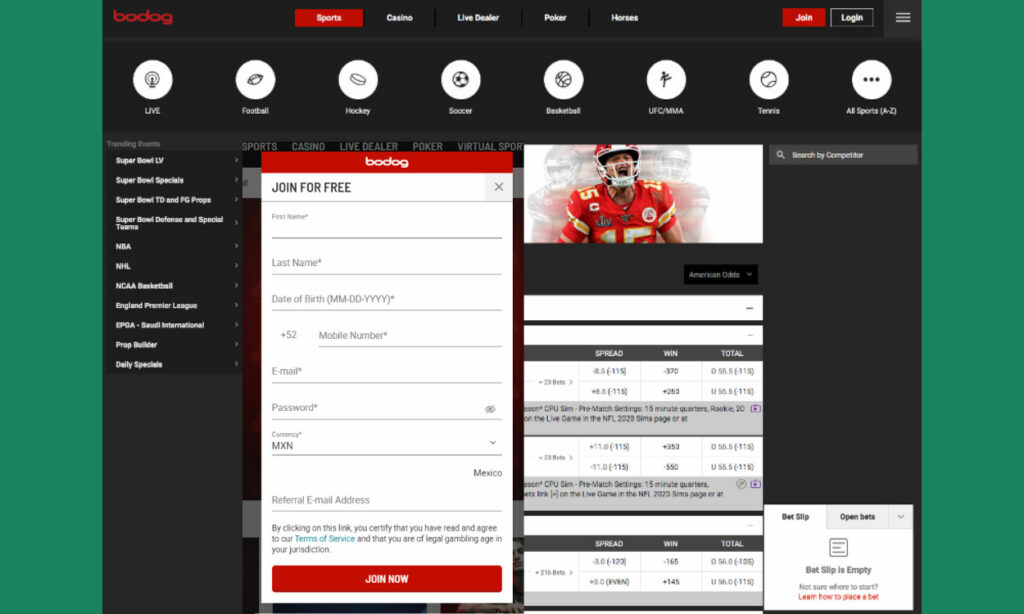
Imagine you open the platform on a phone while commuting home. You are not looking for a long tutorial - you want to create an account, confirm your details, check the cashier area, and move on. When that process feels direct, people stay. When it feels cluttered, they leave before trying anything.
Regional fit matters too. For Canada users, availability can depend on local rules, age eligibility in the province, payment compatibility, and whether identity checks line up with the information entered during registration. That is why careful setup at the beginning saves time later.
How To Set Up Your Account Without Friction
Start with the basics and do them slowly. Use your real name, current contact details, and a password you will still recognize a month from now. Many access problems begin with rushed typing, old phone numbers, or an email address that is rarely opened.
Picture a player finishing registration between work shifts. They skip one field, mistype a birth date, then forget which email they used. Nothing looks serious in the moment, but the trouble appears when they need a code or have to answer a security question. A clean start is faster than a later fix.
Moving From Registration To First Deposit
Once the account is open, the next decision is usually simple: look around first, or fund the balance right away. Smart players take a short pause before adding money. They scan the cashier, check which methods appear for their region, review any limits, and read the small notes around pending times. That quick review reduces surprises.
Here is the practical sequence many people follow. First, confirm the account menu works and that personal details are visible in the profile area. Next, open the cashier section and compare the available transfer methods. Then set a deposit amount that fits a session plan instead of reacting emotionally.
Imagine this common scenario: you add funds late at night after a losing streak somewhere else. That is usually the worst moment to decide an amount. A better approach is to open the cashier earlier in the day, choose a limit before emotions rise, and treat the transfer as part of a budget instead of a spontaneous chase.
The same logic applies to promotions. The useful question is not "How big is it?" but "Does it match how I actually play?" Someone who prefers quick match wagers will evaluate an offer differently from a player who spends most sessions on slots.
Area | What To Check First | Why It Matters |
|---|---|---|
Account details | Name, date of birth, contact data | Prevents avoidable verification delays |
Cashier options | Deposit methods shown for your region | Helps you choose a practical transfer route |
Session budget | Daily or weekly spending cap | Reduces impulsive top-ups |
Withdrawal prep | Document readiness and matching data | Makes later review smoother |
Game choice | Slot play, live tables, or sports | Helps align spending with habits |
What Makes A First Session Feel Manageable
A first session goes better when the player enters with a plan, not just curiosity. Choose one area to test first. Some users try a few low-stake rounds to understand the interface, while others open the sports board and place a small pre-match pick to see how the slip behaves. The exact path matters less than the fact that it is intentional.
If you imagine someone trying everything at once - slots, live tables, same-day parlays, repeated cashier checks - the experience quickly becomes noisy. The better method is narrow and calm. Spend twenty minutes learning the layout, save favorites if the platform allows it, and stop before fatigue makes every click automatic.
How Players Usually Handle Payment Choices In Canada
Payment decisions are rarely about loyalty. They are about speed, familiarity, account matching, and how comfortable the user feels with tracking spending. Many players in Canada prefer a method they already use for everyday online purchases because it is easier to monitor. Others pick an option that separates gambling spend from daily banking, simply to keep records cleaner.
Consider a player who gets paid on Friday and wants a controlled weekend budget. They often pick one method, make one transfer, and avoid bouncing between options. The less messy the money trail, the easier it is to know when the session is over.
Bodog Sports Login Across Sports And Casino
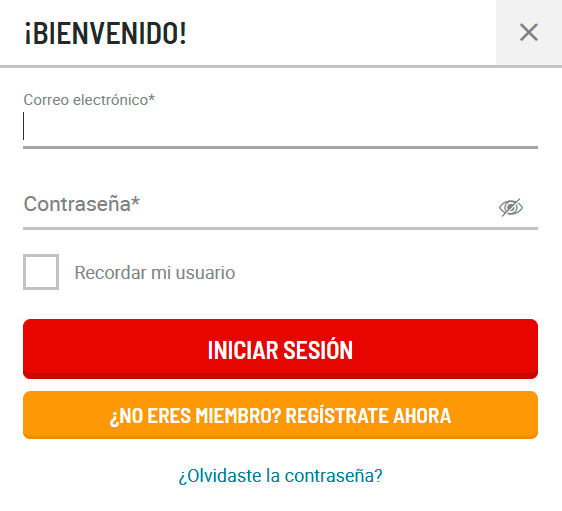
For users who move between sports and casino play, the main value is continuity. They do not want separate routines every time they switch sections. A joined account experience feels stronger because wallet activity, recent behavior, and preferences stay easier to track in one place.
Imagine a Saturday routine. You check football odds in the afternoon, come back later for an evening hockey market, and end the night with a brief casino session. When the platform handles those transitions cleanly, the experience feels efficient. When it does not, the player starts second-guessing every step, especially around open bets and remaining balance.
The useful habit here is to separate intention by section. Decide before entering whether this session is mostly about sports, mostly about casino play, or a small mix of both. That single decision changes how long you stay, how much you risk, and what result you consider acceptable by the end of the session.
Choosing Games Without Letting The Lobby Choose For You
The biggest trap on a modern gambling platform is endless availability. There is always one more game tile, one more live table, one more market starting soon. Good session management begins when the player chooses before the interface starts choosing for them.
A disciplined way to browse is to sort by purpose. Are you here for short entertainment, a longer table session, or a focused sports window around one event? Each purpose points to a different stake size and time budget. A person looking for a quick twenty-minute unwind should not drift into a long live dealer session that needs more attention and stronger bankroll control.
Picture a player opening the lobby after a stressful day. The rotating categories all invite a reactive decision. The better move is to pause, pick one category, and ignore the rest for ten minutes. That pause creates distance between mood and money.
Another useful tactic is to judge games by rhythm, not by promises. Faster formats can burn through a balance quickly even with small stakes. Slower formats may feel less exciting but often give the player more time to notice how much they are spending.
Many experienced users build tiny personal rules. For example: no switching categories after a loss, no adding funds during the same session, and no extending play just because one round almost hit. These rules are simple, but they interrupt automatic behavior.
How To Use Limits And Time Controls Effectively
Responsible tools are most useful before emotions rise. Deposit caps, cool-off periods, session reminders, and self-exclusion options create structure when personal discipline becomes shaky. The best time to activate them is during a calm moment, not after a frustrating run.
Imagine you notice that late-night sessions are always your worst ones. That is a signal, not bad luck. Setting a break, reducing maximum spend, or locking the account for a period can be a practical fix rather than a dramatic measure.
When It Makes Sense To Stop Instead Of Reloading
A stop point should be decided before the session starts. It can be a time limit, a money limit, or simply the moment your attention slips and every choice starts feeling rushed. Continuing after that point rarely improves judgment.
Think about the familiar moment when a player says, "Just one more deposit and I will reset." Usually nothing resets. Fatigue stays, frustration grows, and decision quality drops. Walking away is often the only active choice left that protects both budget and routine.
Support, Verification, And Problem Solving
Most access problems are ordinary, not catastrophic. A missed code, outdated contact detail, temporary review, or unread message from the support team can usually explain why something feels stuck. That is why the first response should be methodical: check inboxes, review account notices, compare personal data, and only then contact support with a clear explanation.
Imagine you cannot enter the account right before a major game starts. The instinct is to panic and click everything twice. A better move is slower: confirm whether the password is correct, see if the device saved an old version, check whether two-step security is waiting elsewhere, and gather any screenshots before reaching out.
Verification deserves the same patience. If the platform asks for documents, the simplest route is matching information. The name on the account, payment method, and uploaded documents should line up neatly. When they do, review conversations tend to be easier.
Bodog Sign In Tips After Time Away
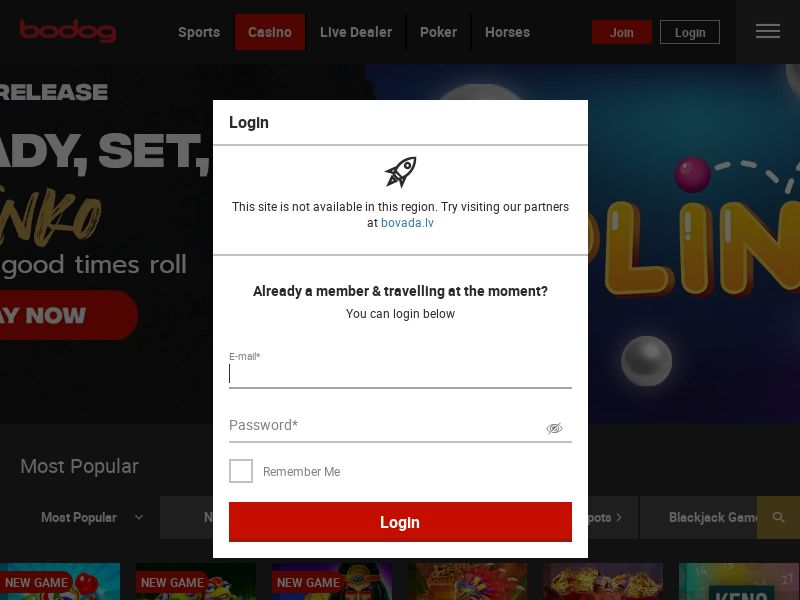
Returning players often face a different problem from new ones: they remember the platform, but not the details that unlock it smoothly. Passwords get reused, phone numbers change, saved devices disappear, and old assumptions about the interface no longer match the current version.
Picture someone coming back after several months away. They try an old password three times, trigger a lock, then realize the recovery message is going to an email they have not opened in ages. The cleaner approach is to start with recovery immediately, update contact details once inside, and review responsible play settings before doing anything else.
Why A Routine Matters More Than A Single Offer
One attractive promotion can bring a player in, but routine determines whether the experience stays manageable. A good routine is boring in the best way. You know when you play, how you fund the account, where you check recent activity, and when you log out.
Imagine two players with the same budget. One jumps in randomly, accepts every offer, changes games after each loss, and treats every weekend like a separate experiment. The other uses one spending cap, one preferred category, and one clear stop rule. Over time, the second player usually has less friction and a better sense of control.
Routine also helps with eligibility and compliance. In Canada, practical access can depend on your location, your age status under local rules, and whether your account details remain current. Players who review those basics occasionally avoid a lot of unnecessary interruption.